Final Strategies for Reaching Challenger Rank Consistently

Artikel Terbaru

Common Keno Misconceptions Debunked

Common Keno Misconceptions Debunked

Common Keno Misconceptions Debunked

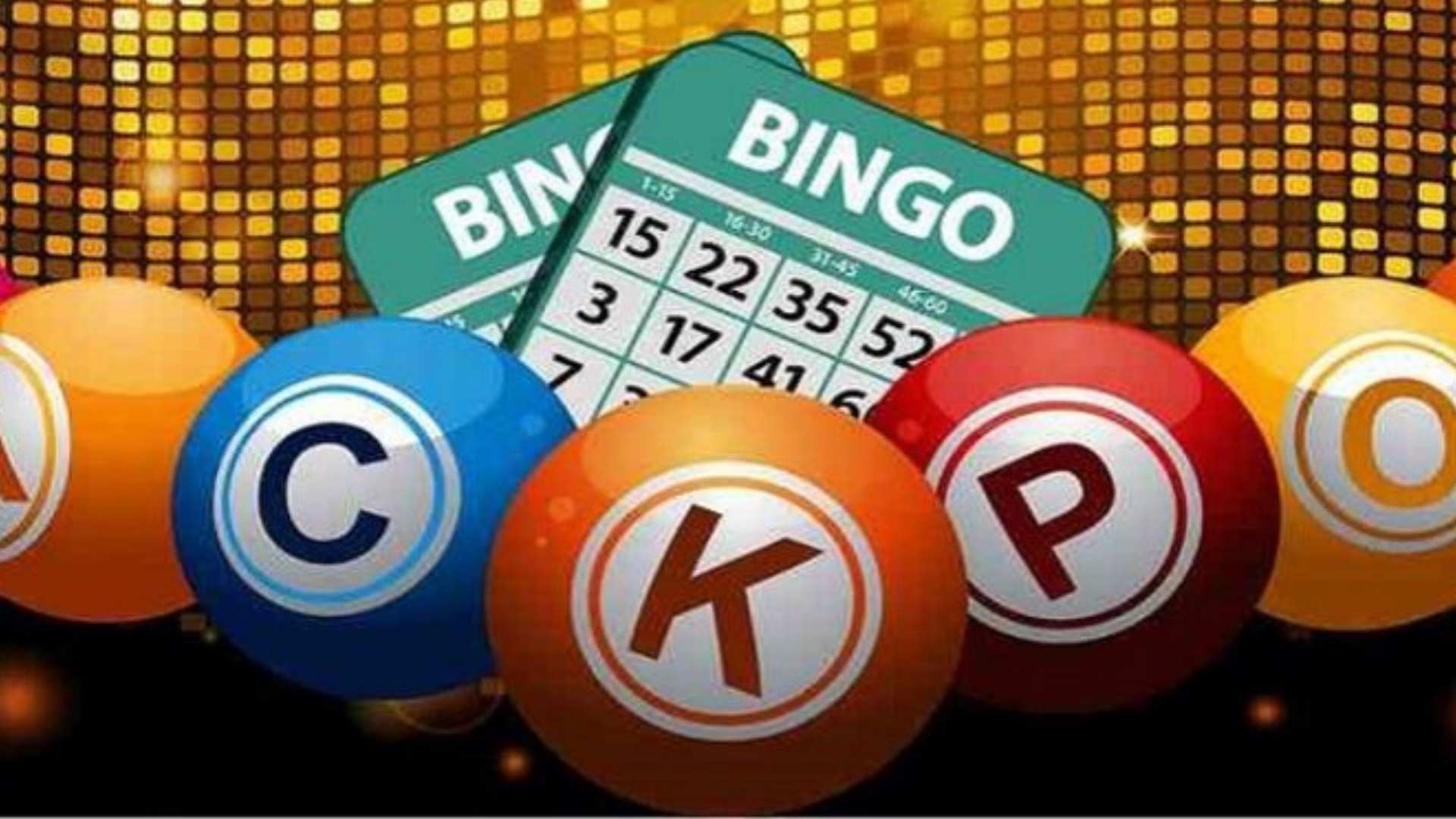
Keno is a remarkably popular numbers game found in both land-based lounges and digital platforms worldwide. Despite its simple rules and long-standing history, numerous myths have developed around how the game operates and how numbers are drawn. Separating these common misconceptions from reality can help players approach the game with a clear mind and realistic expectations.

The Fallacy of Hot and Cold Numbers

Many players closely track previous draw results under the assumption that certain numbers become hot or cold over time. This approach leads to the belief that overdue numbers are bound to appear soon, or that frequent numbers will maintain their streak. In reality, modern gaming platforms rely entirely on random number generators to determine each outcome independently.

Because every single draw is completely disconnected from the last one, past results have no mathematical influence on future selection. Attempting to spot patterns in a game of pure chance can lead to unnecessary frustration during your sessions. Relying on verified platforms like the M88 login ensures that the integrated systems remain transparent and entirely fair for everyone.

The Misconception of Winning Strategies

Another widespread belief is that complex betting systems or specific sequence selections can guarantee a positive return over time. Some enthusiasts spend hours designing diagonal patterns or picking numerical shapes on their tickets to shift the odds in their favor. While these patterns can make the game more entertaining, they do not alter the underlying probability of any specific number being drawn.

The mathematics behind the game dictate that every square from 1 to 80 has an equal probability of being selected in any round. No amount of careful planning or structured wagering can overcome the house edge built into the payout tables. Embracing the randomness of the game allows casual players to focus on the true purpose of the experience, which is entertainment.

Choosing More Spots Changes Your Core Odds

Newcomers often believe that filling out a ticket with the maximum allowed number of spots automatically improves their overall chance of winning. While it is true that selecting more numbers can unlock massive potential jackpots, it also changes the specific match requirements needed to trigger a payout. Lower spot counts generally yield smaller prizes but require far fewer successful matches to secure a return.

Finding a balanced approach that fits your personal budget is much more effective than chasing unrealistic outcomes on every ticket. Many experienced casual players prefer to select between four and eight spots to maintain a steady level of engagement. Understanding how different paytables distribute rewards helps you manage your bankroll sensibly throughout your playtime.


4 bulan yang lalu

Winning More Through Better Match Preparation

Winning More Through Better Match Preparation

Winning More Through Better Match Preparation

Success in highly competitive match play is rarely a result of sheer luck or sudden inspiration on game day. Instead, the foundation for victory is built long before the first whistle blows or the initial cards are dealt. By establishing a structured, repeatable preparation routine, competitors can sharpen their focus and significantly improve their chances of winning.

The Power of Mental Conditioning

Achieving peak performance during critical matches requires more than just mastering physical skills or basic game mechanics. Cultivating a calm, focused mindset through visualization and pre-match meditation helps players handle high-pressure situations with ease. This mental resilience ensures that sudden changes or unexpected opponent moves do not disrupt your overall strategic plan.

Additionally, keeping a structured routine reduces pre-game anxiety and builds deep self-confidence before you enter the competitive arena. Dedicated players often spend the hours leading up to a match reviewing their past strategies rather than stressing over potential outcomes. This quiet focus prepares the brain for rapid, analytical decision-making when the pressure intensifies.

Strategic Research and Tactical Planning

A vital component of match preparation is understanding who or what you are up against in the next round. Analyzing your opponent’s previous performances reveals their favorite patterns, strengths, and potential vulnerabilities under pressure. Armed with this knowledge, you can formulate a flexible counter-strategy that neutralizes their primary threats early in the game.

Taking the time to study specific rulesets and regional variations is also essential for maintaining a competitive edge. Familiarizing yourself with different platforms and structures, such as completing an M88 login, can provide valuable insights into diverse tournament environments. When you know exactly what rules govern the match, you can avoid costly penalties and play with greater freedom.

Physical Readiness and Energy Management

While mental clarity is crucial, your physical state directly influences your cognitive performance and decision-making speed. Securing adequate sleep and maintaining proper nutrition before a major match ensures that your energy levels remain stable throughout the event. Dehydration and physical fatigue often lead to simple, avoidable errors during the final, decisive moments of a game.

Light physical warm-ups or stretching routines can also stimulate blood flow and enhance your natural reaction times. Transitioning from a state of rest to active readiness prepares your body and mind for sustained concentration. By prioritizing your physical well-being, you protect your stamina and keep your competitive edge sharp until the very last play.

Post-Match Analysis for Future Success

True preparation is a continuous cycle that does not end when the final score is recorded. Reviewing your matches, both wins and losses, provides invaluable data on which strategies worked and where your execution faltered. This constructive feedback loop allows you to adjust your training routine and address specific weaknesses before the next match.

By treating every competitive experience as a learning opportunity, you build long-term consistency and improve your skills over time. Over many tournaments, this relentless dedication to self-improvement is what separates average competitors from true champions. Consistently refining your approach ensures you are always evolving, adapting, and preparing for even greater victories.

4 bulan yang lalu

Wheel of Fortune Features That Elevate Every Spin

Wheel of Fortune Features That Elevate Every Spin

Wheel of Fortune Features That Elevate Every Spin

The iconic spinning wheel has evolved from a simple game show mechanism into a sophisticated cornerstone of modern digital entertainment. By incorporating layered features and dynamic feedback loops, designers have transformed every single rotation into an immersive experience. Understanding these innovative features reveals how the game maintains its captivating suspense and cognitive appeal across generations.

The Psychology of Multi-Tiered Prize Segments

Modern wheels go far beyond simple cash values by introducing complex, multi-tiered reward structures. These variations keep players engaged because they offer diverse milestones rather than a binary win-or-lose outcome. Each segment is carefully calculated to balance risk with rewarding possibilities, keeping participants invested in every rotation.

By integrating mystery sectors and progressive prize systems, the game introduces an ongoing layer of tactical planning. This structural design ensures that every participant remains mentally active while evaluating potential risks and rewards. Consequently, the player must weigh the benefits of securing a steady small win against risking it all for a major bonus.

Interactive Audio-Visual Feedback Loops

The physical and sensory elements of a spinning wheel play a massive role in building natural anticipation. High-definition graphics combined with authentic mechanical clicking sounds recreate the thrilling atmosphere of a physical television studio. These sensory upgrades are carefully synchronized with gameplay milestones to provide immediate positive feedback.

For enthusiasts looking to practice their skills in various formats, finding a reliable online platform is essential to build confidence. Many users utilize an M88 login to access diverse game modes and enjoy premium visual presentations. Engaging with these high-quality environments allows you to observe how modern presentation standards elevate the classic gameplay loop.

Dynamic Bonus Features and Multipliers

One of the most exciting additions to modern wheel games is the inclusion of interactive bonus rounds. These features break the standard routine by taking players to secondary screens filled with unique word puzzles or mini-games. This added variety prevents the core experience from feeling repetitive even after extended sessions.

Multipliers also elevate the general gameplay by multiplying standard wins exponentially on subsequent turns. This unpredictable mechanic ensures that even a modest spin can rapidly turn into a significant victory. The constant potential for a massive multiplier keeps the energy levels consistently high throughout the entire session.

Strategic Progression and Unlockable Content

Long-term player retention is often driven by a sense of continuous progression and skill development. Modern adaptations achieve this by incorporating level-up systems that unlock exclusive wheel designs, themes, and rare letter tiles. This structure encourages players to develop a deeper relationship with the game over multiple active sessions.

Knowing that each spin contributes to a larger journey adds genuine value to every single turn. This design philosophy successfully bridges the gap between casual arcade fun and deep, rewarding puzzle-solving. Ultimately, these progression layers ensure that the game remains fresh and exciting for players of all skill levels.

4 bulan yang lalu

The Ultimate Mystery Box Collection Guide

The Ultimate Mystery Box Collection Guide

The Ultimate Mystery Box Collection Guide

The global phenomenon of surprise commerce has grown from a brief marketing trend into a serious pursuit for dedicated collectors. Managing a growing assortment of these blind purchases requires a shift from impulsive buying toward a structured approach to curation. Enthusiasts who treat this as a genuine hobby can successfully build valuable personal archives by understanding market dynamics and distribution systems.

Understanding the Basics of Specialized Curation

Building a meaningful archive involves choosing a specific thematic focus rather than purchasing random assortments across multiple unrelated categories. True collectors evaluate the probability distributions of items to determine which packages align best with their long-term preservation goals. This methodical mindset helps transition an entertaining unboxing pastime into a sustainable, high-value physical collection.

A structured approach also requires establishing a clear budget dedicated exclusively to specialized hobby acquisitions. This financial discipline ensures that your pursuit remains an enjoyable journey of discovery without leading to unnecessary financial strain. Navigating verified online marketplaces allows you to secure authentic packages and minimize the risks associated with modern e-commerce fraud.

Evaluating Value Profiles and Probabilities

Every premium surprise package operates on a specific tier system that regulates the rarity and market availability of its contents. Smart enthusiasts analyze these guaranteed retail valuations against the initial purchase price to ensure they receive genuine worth. This analytical habit protects your investment and ensures that each box contributes meaningfully to your collection goals.

Understanding public odds helps shoppers manage their immediate expectations during the final reveal phase. This objective perspective allows you to appreciate the common items just as much as the incredibly rare variants. Much like digital entertainment enthusiasts utilize a secure M88 login to access specialized gaming options, physical collectors rely on trusted distribution channels to locate authentic inventory safely.

Organizing and Displaying Your Unique Finds

Once you have acquired a distinct assortment of rare figures, tech gadgets, or apparel, preservation becomes your primary responsibility. Utilizing high-quality display cases shields your investment from environmental damage while organizing them by theme or release year. Proper storage maintains the physical condition of original packaging, which directly influences future market value.

Documenting your growing inventory through detailed digital logs helps monitor the shifting financial worth of individual pieces. Sharing your display strategies with online communities fosters creative engagement and provides inspiration for alternative arrangements. A clean, cohesive layout transforms a cluttered storage space into a professional gallery that tells a distinct visual story.

The Multi-Layered Future of Surprise Shopping

The evolution of digital storefronts suggests that experiential retail will continue incorporating advanced technologies to enhance user engagement. Virtual reveals and augmented reality features are quickly transforming how global audiences preview their potential rewards online. These interactive developments offer an extra layer of entertainment before the real-world delivery arrives at your doorstep.

As specialized categories expand, finding unique concepts remains essential for keeping the thrill of discovery alive. Collectors who adapt to these shifting technological changes will enjoy a more secure and immersive hobby experience. Balancing careful strategic research with the authentic joy of the unknown guarantees a long-term rewarding relationship with surprise retail culture.

4 bulan yang lalu

Bridge Games Skills That Increase Your Winning Percentage

Bridge Games Skills That Increase Your Winning Percentage

Bridge Games Skills That Increase Your Winning Percentage

Contract bridge is widely celebrated as one of the most intellectually challenging card games, where success depends heavily on strategic skill rather than luck. While basic rules can be picked up relatively quickly, improving your winning percentage requires a deliberate focus on refining specific tactical abilities. By mastering these key components, players can consistently outmaneuver their opponents and secure better results at the table.

Advanced Bidding Accuracy and Partner Communication

The bidding phase is the foundation of every hand, acting as a crucial dialogue between you and your partner. To boost your winning percentage, you must develop a deep understanding of your partnership's chosen bidding system and standard conventions. Accurate bidding ensures that you reach the most optimal contract while preventing costly misunderstandings that hand points to your opponents.

Many competitive players sharpen their logical deduction and card analysis skills by engaging with structured online games at M88 casino during their free time. Translating these quick decision-making habits to the bridge table helps you process bidding signals with greater confidence. Consistent practice with a dedicated partner remains the most effective way to build a highly reliable communication system.

Precise Declarer Play and Table Visualization

Once the bidding concludes and the dummy hand is revealed, a successful declarer immediately pauses to formulate a comprehensive plan. You should mentally count your immediate winners and assess the potential routes to establish extra tricks before playing a single card. Visualizing the probable distribution of the defenders' cards based on their bidding history is essential for minimizing mistakes.

To maximize your score, prioritize managing your entries fluidly between your hand and the dummy. Developing your longest side suits early in the game often forces the defenders into difficult discarding situations. Maintaining complete control over your trump suit management will ultimately prevent the opponents from gaining unnecessary defensive tricks.

Defensive Card Counting and Systematic Signaling

Playing defense is widely considered the most complex phase of bridge, yet it offers the greatest opportunity to improve your overall statistics. Elite defenders focus heavily on tracking every card played to reconstruct the remaining hands in their minds. By keeping an accurate count of each suit, you can anticipate the declarer's next move and defend accordingly.

Additionally, using clear and consistent defensive signaling helps you share vital information about your holding with your partner. Simple signals regarding attitude, count, or suit preference can completely disrupt the declarer's strategy and defeat difficult contracts. Working in seamless harmony with your partner during defense is what separates average players from tournament champions.

4 bulan yang lalu

Five Card Draw Tournament Basics

Five Card Draw Tournament Basics

Five Card Draw Tournament Basics

While modern community card games like Texas Hold'em often dominate the tournament spotlight, five card draw remains a highly strategic option for competitive players. Transitioning from casual home sessions to a structured tournament format requires a distinct shift in how you manage your stack and analyze opponent behaviors. Understanding the fundamental mechanics of structured draw tournaments is the first step toward building a reliable winning strategy.

Understanding the Tournament Structure and Blinds

Unlike cash games where the stakes remain constant, tournaments feature structured blind levels that increase at regular intervals. This rising pressure forces players to abandon overly passive strategies and actively look for profitable spots to accumulate chips. Mastering this changing dynamic is essential to avoid being slowly blinded out during the early stages of the event.

In the initial levels, you should focus on playing a tight and disciplined style to preserve your valuable starting chips. As the blinds escalate, you must gradually widen your opening ranges to steal blinds and maintain a healthy stack. Adjusting your pacing to match the speed of the tournament clock will keep you ahead of the curve.

The Art of the Discard and Information Management

The draw phase is the defining moment of any five card draw hand, serving as the primary source of information for observant players. Since there are no community cards visible on the table, the number of cards your opponents decide to discard tells a clear story about their likely holdings. Paying close attention to these patterns allows you to deduce their hand strength with surprising accuracy.

For instance, a player who stands pat is representing a completed hand like a straight, flush, or full house. Conversely, drawing a single card typically indicates a draw to a strong combination or holding two pairs. For players looking to practice these reading skills in competitive fields, using a reliable platform via M88 login can offer excellent opportunities to gain experience.

Positional Strategy and Bet Sizing

Table position plays an incredibly vital role in five card draw tournaments because acting last provides a massive informational advantage. Being in late position allows you to observe how many cards your opponents draw before you have to make your own discard decision. This sequence of play makes it significantly easier to execute successful bluffs or control the final size of the pot.

Your betting sizes should also adapt based on your position and the overall stack sizes at the table. In tournament play, making pot-committed mistakes with marginal hands can instantly end your run. Keeping your bets sized appropriately ensures you can extract maximum value from strong hands while minimizing risk when you are on a draw.

Navigating the Late Stages and Showdowns

As you approach the final table, the average stack sizes relative to the blinds will typically become much shallower. During this high-pressure phase, the game transitions from a post-flop battle of wits into a pre-flop strategy of folding or moving all-in. Having the courage to make decisive moves with moderate pairs can often secure critical pots without a showdown.

Understanding tournament survival basics means knowing when to risk your chips for maximum leverage. Passive calling in the late stages is often a recipe for elimination, making controlled aggression your best weapon. Remaining highly focused on stack dynamics will help you navigate the final table and secure a top finish.

4 bulan yang lalu

Mahjong Strategy for Stronger Tile Control

Mahjong Strategy for Stronger Tile Control

Mahjong Strategy for Stronger Tile Control

Mahjong is a game where tactical foresight and sharp observation dictate long-term success at the table. While many beginners focus purely on their own hand, true mastery comes from dictating the flow of the game through superior tile control. Developing a structured approach to managing your discards and tracking live pieces will instantly elevate your competitive execution.

The Core Principles of Tile Efficiency

Achieving stronger tile control starts with a deep understanding of mathematical probabilities within your own rack. Efficient players categorize their tiles early, separating flexible sequences from rigid pairs that offer limited growth. This method ensures you reach a complete hand in fewer turns while forcing opponents to react to your speed.

By maintaining a clean structural layout, you minimize the risk of holding useless duplicate pieces. Experienced competitors often rely on tools like a secure M88 login to study strategic patterns and sharpen their real-time decision-making skills. Prioritizing versatile combinations keeps your game fluid and adaptable to any unexpected wall distribution.

Reading Discards and Table Dynamics

True control extends far beyond your immediate rack and requires active tracking of the common discard area. Every piece released by an opponent speaks volumes about their current hand building goals and defensive limitations. By reading these visual clues, you can deduce which tiles are completely safe to discard and which ones must be withheld.

Preventing an opponent from claiming a vital tile is just as valuable as completing a set of your own. When you actively choke the supply of high-value suits, you disrupt the tempo of the entire table. This shift forces other players into a defensive posture, significantly lowering their chances of claiming victory.

Balancing Offense and Defense

A balanced strategy requires knowing precisely when to push for a win and when to abandon your offensive plans. If your initial draw is slow or lacks geometric connection, shifting immediately into a full defensive style preserves your standing. Holding back dangerous tiles ensures that you do not accidentally hand a win to an aggressive competitor.

Conversely, when the table dynamics swing in your favor, you must capitalize on your momentum with speed and precision. Stronger control is achieved when you remain unpredictable, preventing others from easily reading your psychological state. This strategic flexibility forms the foundation of sustainable long-term success across multiple rounds.

Establishing Consistent Daily Habits

Cultivating advanced tile control is a gradual process that relies heavily on deliberate practice and constant self-analysis. Reviewing your choices after each match helps identify recurring oversight patterns and structural mistakes. Over time, these small tactical adjustments turn complex calculations into natural, split-second habits at the table.

Engaging with regional rule variations also expands your mental framework and deepens your appreciation for scoring dynamics. Every unique format challenges your spatial awareness and cognitive endurance in entirely fresh ways. Embracing this continuous learning journey is the ultimate path to mastering this historic intellectual pastime.

4 bulan yang lalu

Best Solitaire Games for Daily Card Practice

Best Solitaire Games for Daily Card Practice

Best Solitaire Games for Daily Card Practice

Establishing a consistent mental routine can significantly boost your cognitive endurance and focus. Daily card games like solitaire offer an accessible, low-stress environment to sharpen your problem-solving skills and develop better strategic foresight. Engaging in just one or two sessions each morning can set a productive tone for the rest of your busy workday.

The Classic Appeal of Klondike Solitaire

For most players, Klondike remains the quintessential choice when selecting a game for daily mental exercise. Its clear rules require you to build four foundation piles by suit in ascending order from Ace to King. This structured setup encourages patient analytical thinking as you carefully sequence cards across the seven columns of the tableau.

Practicing Klondike daily helps train your brain to recognize patterns and calculate potential outcomes several moves in advance. It serves as an excellent benchmark for measuring your speed and decision-making improvements over time. By focusing on uncovering the hidden downcards first, you will quickly learn how to manage complex layouts with ease.

Testing Your Strategy with Spider Solitaire

If you find yourself looking for a more intense logical challenge, Spider Solitaire is an outstanding alternative. This variation is played with two full decks and can be customized with one, two, or four suits depending on your experience level. The primary goal is to assemble complete descending sequences of the same suit from King down to Ace.

Because the layout is much larger and more complex, Spider Solitaire demands exceptional patience and deep concentration. It forces you to think critically about temporary card placements and column management. Incorporating this challenging variation into your daily routine is a fantastic way to stretch your cognitive boundaries.

Improving Speed and Focus with FreeCell

FreeCell Solitaire stands out because almost every single deal is mathematically solvable with the right approach. The game provides four open cells that act as temporary holding spaces for your cards as you sort the tableau. This unique mechanic reduces the luck factor and places the focus entirely on your tactical planning skills.

Playing FreeCell teaches you to plan complex, multi-step card movements and utilize your limited resources wisely. Many modern players enjoy exploring digital platforms to access these engaging formats on their smartphones. When you want to transition from card strategy to interactive entertainment, finding a secure M88 login can open up a wide range of popular online options.

Building a Rewarding Daily Routine

To get the most out of your card practice, try to dedicate a specific time slot to your games each day. Whether you prefer playing with a physical deck or a mobile application, consistency is the key to seeing cognitive benefits. Over time, you will find that these brief sessions help clear your mind and improve your overall daily focus.

4 bulan yang lalu

Table Games That Test Your Strategic Skills

Table Games That Test Your Strategic Skills

Table Games That Test Your Strategic Skills

The world of tabletop entertainment offers a vast landscape where victory relies entirely on mental foresight rather than luck. Engaging in these intellectual challenges requires players to constantly analyze shifting variables, anticipate their opponent's next move, and manage resources efficiently. Developing a deep mastery of these systems can significantly improve real-world problem-solving abilities and decision-making habits.

The Core Elements of Tactical Gameplay

True strategic games require deep layered planning where every move carries long-term consequences on the final outcome. Players must learn to balance defensive maneuvers with aggressive advances to keep their opponents off balance throughout the session. This constant mental adjustments helps build cognitive flexibility and sharpens analytical thinking over time.

Furthermore, managing risk calculation is essential when trying to establish a dominant position on the board. Experienced competitors understand that sacrificing short-term assets often paves the way for a decisive victory later in the game. Balancing these critical choices creates an engaging and highly rewarding competitive environment.

Card Dynamics and Calculated Probability

Classic card duels present a unique environment where incomplete information forces players to rely heavily on probability and psychological profiling. Success in these arenas demands a firm understanding of mathematical odds alongside the ability to read subtle behavioral cues. By mastering these variables, tactical players can systematically minimize the element of random chance.

Many modern platforms now offer detailed virtual formats where enthusiasts can test these demanding skill sets against global competitors. When searching for a secure environment to practice your tactical card approaches, utilizing a secure M88 login can grant access to a wide variety of strategic tables. Starting with low-stakes environments allows newcomers to steadily build confidence and refine their calculations without facing overwhelming pressure.

Positional Strategy and Resource Allocation

Board games centered around positional control require excellent spatial awareness and precise resource management. Players are often tasked with capturing vital territories while simultaneously cutting off their opponent's supply lines or movement options. This dual focus ensures that the competitive landscape remains highly dynamic from start to finish.

Effective resource preservation ensures that you maintain enough flexibility to counter unexpected tactical shifts late in the match. Spending your assets too quickly can leave you vulnerable to swift counter-attacks from patient opponents. Finding the perfect equilibrium between expansion and conservation is the true hallmark of an elite tabletop strategist.

Psychological Warfare and Reading Opponents

Beyond the physical pieces and mathematical formulas lies the intricate art of psychological manipulation and deception. Outwitting an opponent often involves creating misdirection, feigning weakness, or forcing them into making rushed decisions under pressure. Understanding human behavior is just as critical as executing a flawless opening formula.

Developing this level of emotional discipline allows you to remain calm and focused even when facing a severe positional disadvantage. Regular participation in these high-stakes mental battles teaches individuals how to manage stress and think clearly during complex real-life scenarios. Ultimately, the lessons learned at the gaming table extend far beyond the boundaries of the board itself.

4 bulan yang lalu

Dominoes Game Plans That Increase Your Winning Chances

Dominoes Game Plans That Increase Your Winning Chances

Dominoes Game Plans That Increase Your Winning Chances

Dominoes is a captivating tile-based game that beautifully combines mathematical calculation with deep psychological tactics. While many people view it as a casual pastime reliant entirely on luck, experienced players understand that deliberate planning is the true key to victory. By executing structured game plans, you can shift the odds in your favor and secure more consistent wins across multiple rounds.

Evaluating Your Hand and Designing an Opening Plan

Every successful match begins with a comprehensive assessment of your dealt tiles before making the very first move. You must identify your strongest suits, count your doubles, and map out a pathway that utilizes your high-value tiles early in the round. Getting rid of heavy tiles quickly minimizes the points you might accidentally pass to your opponent if the game becomes blocked.

Your opening placement establishes the dynamic of the board and dictates how aggressively your opponent must play. If you hold a diverse hand, it is often wise to keep the game open to maximize your flexibility in future turns. Conversely, holding a highly specialized set of tiles means you should steer the game toward a narrower board state that favors your specific numbers.

Mastering the Balance of Offensive and Defensive Formats

An effective game plan requires a fluid balance between attacking the board and establishing a defensive wall. Offensive gameplay focuses on scoring maximum points on every turn by matching tiles that create multiples of five or three depending on the rule variation. This strategy keeps your opponent under constant pressure as they struggle to keep pace with your score.

Defensive strategies become essential when you notice an opponent is consistently controlling the flow of the match. You can purposefully block specific numbers to force them to draw endlessly from the boneyard, breaking their momentum. For those who enjoy testing strategic thinking across different platforms, exploring the gaming options at M88 casino can offer excellent practice in rapid decision-making under pressure.

The Critical Role of Hand Flexibility and Board Control

Maintaining a highly flexible hand is one of the most reliable ways to increase your long-term winning rate. You should avoid playing all your tiles of a single number too early, as this leaves you vulnerable to being completely blocked later. Keeping at least one tile for multiple potential end numbers ensures you will rarely have to skip a turn.

True board control means dictating the available endpoints so your opponent is forced to play exactly according to your design. By paying close attention to which numbers your opponent avoids or hesitates to play, you can deduce their weaknesses. Actively manipulating the open ends of the domino chain allows you to corner your competitor and easily secure the final rounds.

4 bulan yang lalu