Probability Games That Strengthen Reasoning
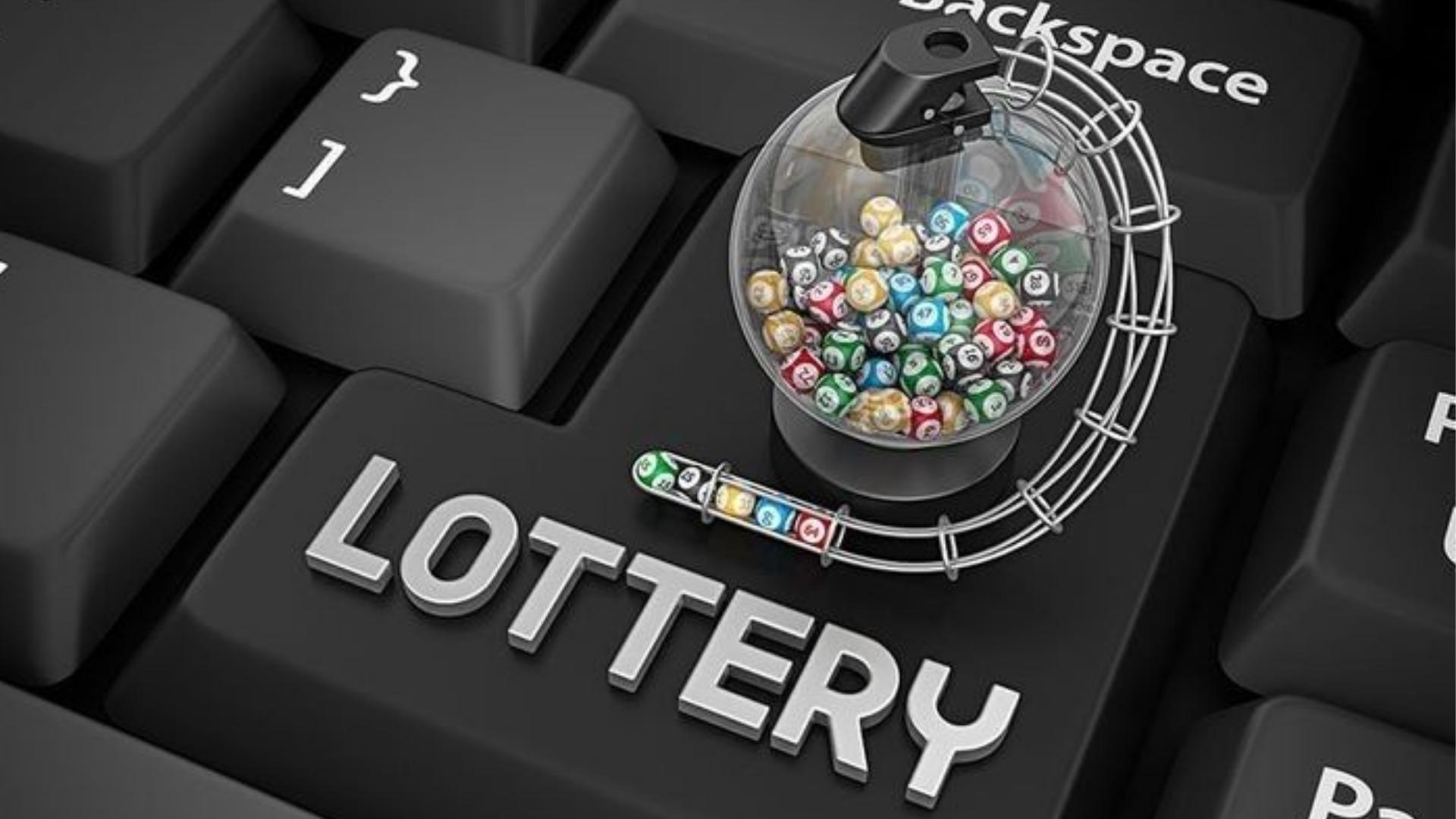
Engaging in activities that combine chance and logic offers a powerful way to enhance human intellect and decision-making capabilities. While many people view probability-based entertainment as a matter of simple luck, these challenges actively train the brain to process complex data points. Recognizing how outcomes shift based on mathematical distribution allows individuals to navigate uncertainty with much greater clarity.
The Core Logic of Uncertainty
Probability challenges force the human mind to look past immediate emotional responses and rely on structured calculations instead. By evaluating the likelihood of various outcomes, players learn to measure short-term risks against long-term rewards. This constant mental balancing act builds cognitive resilience and sharpens analytical thinking patterns over time.
Understanding independent and dependent variables helps individuals notice how separate occurrences influence the overall state of play. Developing this level of statistical awareness shifts your perspective from blind guessing to making highly calculated decisions. Over time, these practices transform general cognitive habits into efficient problem-solving tools.
Enhancing Practical Risk Assessment
Modern interactive challenges simulate real-world choice structures by forcing participants to act under incomplete information. Evaluating shifting odds dynamically helps you adapt to unexpected scenario developments without experiencing intense stress. This training is highly relevant to professional environments where risk management is crucial.
Many digital systems rely on these core principles to establish balanced environments that challenge users across different backgrounds. When exploring these environments, accessing a proper system like M88 login can offer an engaging perspective on how random outcomes behave. Studying these mechanisms firsthand allows anyone to see the direct connection between mathematics and human choice architectures.
Building Stronger Deductive Skills
Deductive reasoning thrives when individuals learn to spot underlying trends within seemingly chaotic structures. Games governed by chance require players to continuously update their strategies as new information becomes available on the board. This iterative process strengthens working memory and helps prevent common cognitive biases like the gambler's fallacy.
Fostering this analytical mindset encourages people to seek evidence rather than relying entirely on intuition or gut feelings. By tracking the frequencies of previous results, you can build logical frameworks that predict future possibilities more accurately. This habit of systematic observation naturally elevates your intellectual confidence in everyday scenarios.
Long-Term Cognitive Advantages
Consistently exercising the brain with probability-based scenarios provides excellent protection against cognitive decline by keeping neural pathways active. Learning to navigate complex puzzles that involve statistical chance ensures that your mind remains agile and flexible. These mental exercises are both highly practical and deeply engaging for learners of all ages.
Ultimately, transforming abstract mathematical theories into active play makes the learning process feel incredibly natural and rewarding. Shifting your approach toward analytical calculation helps you master the underlying laws of likelihood with ease. With steady engagement, anyone can sharpen their reasoning abilities and enjoy the deep intricacies of statistical systems.